You can be the best fighter in the world — but when the grid goes down, if you can't procure food, water, fire, and shelter, those skills won't save you. This is the survivalist's dream: outdoorsmanship, combatives, and operator craft in one program.
For years this system was taught to operators only — military personnel, law enforcement, and security forces on bases across the United States. Now it's open to the public. Four schools, three phases each, take you from your first shelter to operator-level mastery. This isn't just about punches and kicks: it's about staying alive — food, water, fire, shelter, and the fight, in that order of priority. Burn the styles. Keep what works.
The foundation everything else stands on. Shelter, fire, water, food — the sacred priorities of survival. Start here. No experience required.
What actually works when violence finds you. Unarmed combatives, weapons, weapon retention, and the awareness that keeps you out of the fight in the first place.
The highest school. Pure operator-level craft: navigation, tracking, evasion, trauma medicine, sustainment, and small-unit skills. This is where the program was born.
Dog training as a complete discipline — not an accessory. Selection, development, handler craft, and the working jobs: search and rescue, detection, protection, patrol.
Four schools. Three phases each. Forty-eight courses — every one a complete training module with video instruction, drills, and field assignments. This is everything we teach. Course content is members-only: the catalog is public, the training is not.
VETTING REQUIRED. All 48 courses are locked to vetted members — there is no instant signup. Apply, speak with Mr. Vigslist, get approved: membership $99/year, courses $49 each, paid directly to him.
Shelter principles: protection from the elements, heat retention, and what kills you first. The foundation of everything.
🔒 Apply →The fire triangle, fuel selection, tinder bundles, and fire lays. Fire is life — make it on demand.
🔒 Apply →Why water rules everything. Finding, collecting, and the discipline of never being without it.
🔒 Apply →Shelter, fire, water, food — in that order. The decision framework that keeps you alive when everything fails at once.
🔒 Apply →Debris huts, lean-tos, wikiups, and tarp systems that go up in minutes. Build warm with nothing but the woods.
🔒 Apply →Bow drill, ferro rod, and modern ignition — employed correctly. Redundancy is survival.
🔒 Apply →Read the land for water; boil, filter, treat; store and cache. Three days without it and you're done.
🔒 Apply →The bag that buys you 72 hours. Load planning, weight discipline, and what stays home.
🔒 Apply →Edible, medicinal, and deadly — know the difference with certainty. The forager's discipline.
🔒 Apply →Passive protein: snares, deadfalls, trotlines, and improvised fishing that work while you sleep.
🔒 Apply →Gardens that feed you; smoking, drying, and storage that lasts. Eating when the shelves are empty.
🔒 Apply →Map, compass, and terrain association — plus the will to continue. Navigation gets you home; mindset keeps you moving.
🔒 Apply →Power generation, targeting, and combinations that end confrontations. Hit first, hit hard, end it.
🔒 Apply →The close fight. Ties, frames, and striking at clinch range when there is no room to move.
🔒 Apply →How to stand up when taken down. Technical recoveries under pressure — the ground is the last place you want to be.
🔒 Apply →Control the position, control the fight. Dominant positions, transitions, and the hierarchy that decides outcomes.
🔒 Apply →Blade awareness, defense, and deployment. The reality of edged weapons — and how to survive it.
🔒 Apply →Sticks, tools, and everything within reach. Train your eyes to see weapons where others see scenery.
🔒 Apply →Safety, handling, and marksmanship fundamentals — plus the responsibility the tool demands.
🔒 Apply →See trouble before it finds you. Observation, baselines, and reading people and places.
🔒 Apply →Verbal skills, exits, and knowing when to leave. The fight avoided is the fight won.
🔒 Apply →Harden the home without paranoia. Layers, lighting, safe rooms, and family planning.
🔒 Apply →Collapse in the built environment: movement, shelter, water — plus vehicle breakdowns and roadside encounters.
🔒 Apply →Night movement, dead reckoning, denied terrain. No GPS, no signal, no excuses.
🔒 Apply →Read sign like a book — and stop leaving a story of your own. Human and animal tracking.
🔒 Apply →Be where they aren't looking. Movement discipline, concealment, staying unseen.
🔒 Apply →Get found when you want to be. Signals, field-expedient comms, and comms discipline when you don't.
🔒 Apply →Early warning done right: trip systems, listening posts, and observation — high-tech to stone age.
🔒 Apply →Barriers, positions, and terrain used as a weapon. Make the ground work for you.
🔒 Apply →Stop the bleed, stabilize, evacuate. Trauma care when the hospital isn't coming.
🔒 Apply →Selection, carry, maintenance, and field employment. The blade as a tool, not a statement.
🔒 Apply →Break contact and disappear. Evasion fundamentals for when staying isn't an option.
🔒 Apply →Move personnel through uncertain ground. Formations, halts, and crossing danger areas.
🔒 Apply →Route planning, vehicle preparation, and moving people through collapse.
🔒 Apply →Someone has to decide. Command, morale, and keeping people alive when structure is gone.
🔒 Apply →Drive, nerve, and structure. Selecting a prospect — and walking away from the wrong one.
🔒 Apply →The first year decides everything. Exposure, play drive, and building a confident dog.
🔒 Apply →Obedience that holds under distraction and pressure. Not tricks — control.
🔒 Apply →You are half the team. Handling mechanics, reading the dog, becoming worth following.
🔒 Apply →How the dog smells the world — and how to direct the nose. Imprinting, indication, search patterns.
🔒 Apply →Follow the missing. Track laying, line handling, and reading the dog on the track.
🔒 Apply →Bite work done correctly: building grip and courage — and the out, which is the entire point of control.
🔒 Apply →The partner bleeds too. Field trauma care for the working dog, evacuation, prevention.
🔒 Apply →Wilderness air-scent, disaster response, cadaver. The dog that finds the lost — and the handler who runs the search.
🔒 Apply →Explosives and narcotics detection as a profession. Imprinting, indication, working for real stakes.
🔒 Apply →The dog as deterrent and defender. Home, property, family protection — trained, controlled, reliable.
🔒 Apply →Perimeter patrols, building searches, tactical movement with a four-legged partner. One operational unit.
🔒 Apply →Every course carries credit hours toward certification — +$29 per certification, earned through proof-of-life video. How certification works →
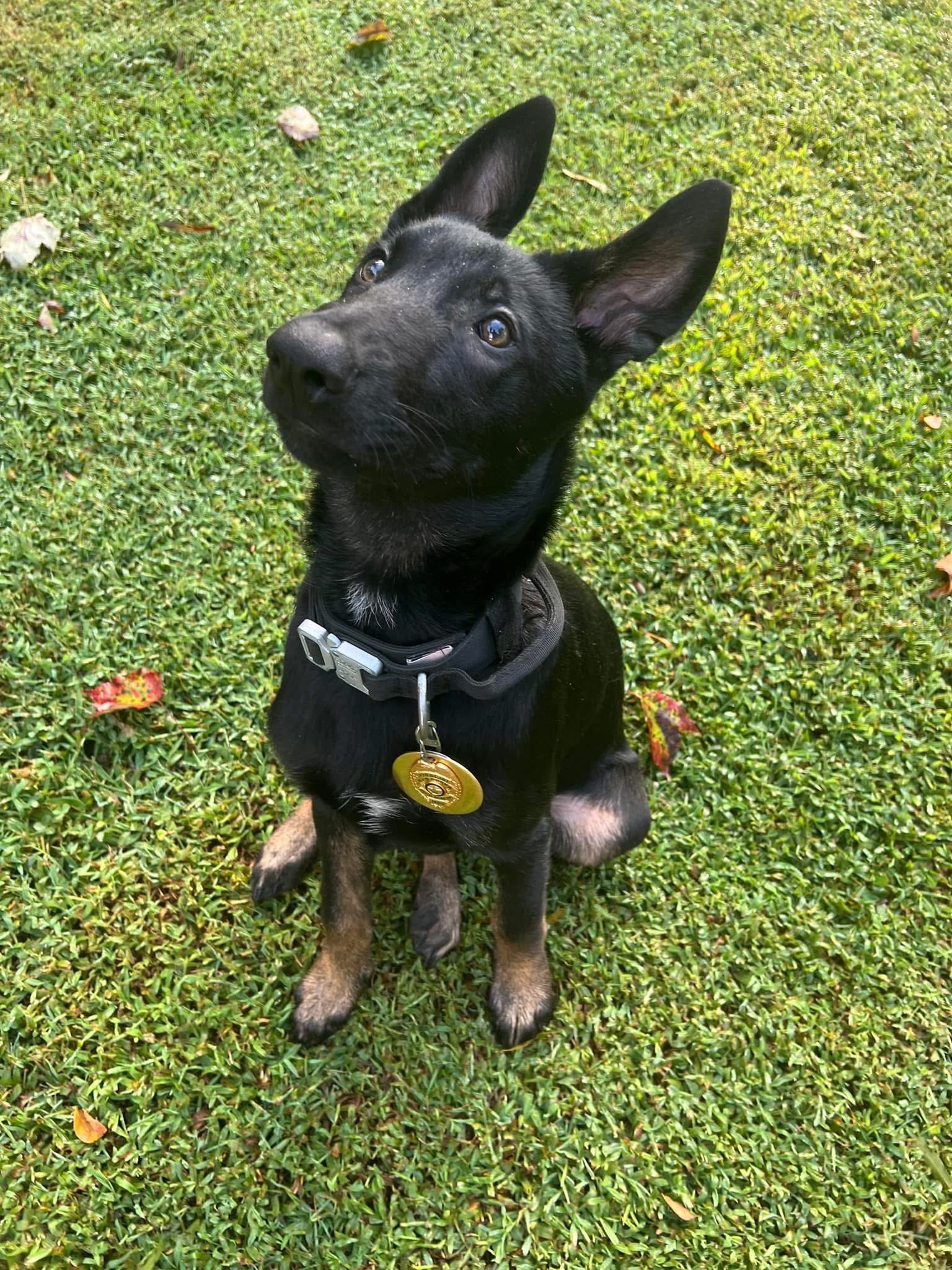
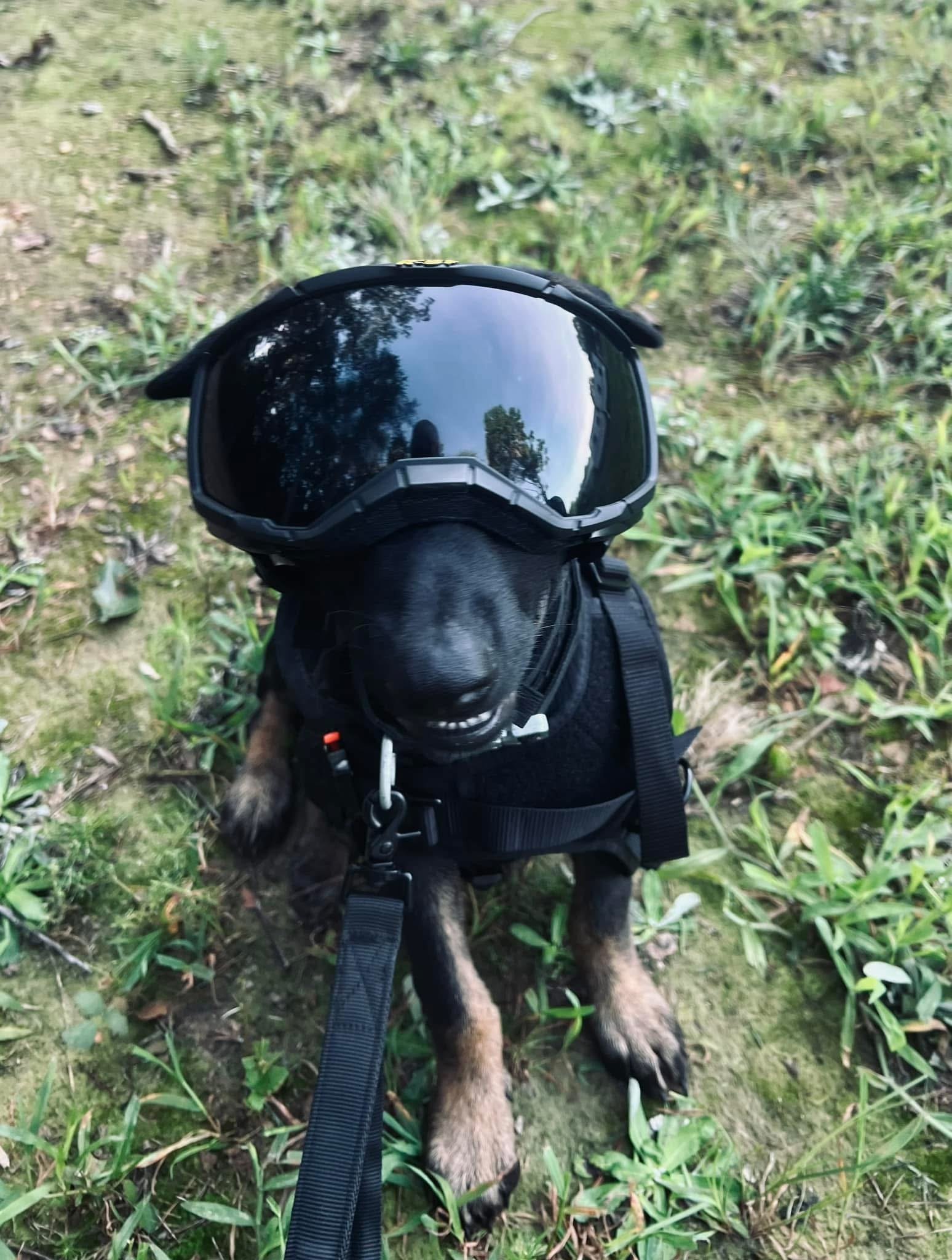
The VST K-9 Corps is its own discipline here — not an afterthought. A trained dog is force multiplication: early warning, deterrence, tracking, and a partner who never quits. Different dogs need different jobs, so we train for the job: search and rescue, guarding, patrol — and the foundation every working dog shares.

Selection, socialization, drive development, and obedience. Every working dog starts here — no shortcuts.

Search and rescue. Guarding. Patrol. Match the dog to the work and train them for it specifically.
The full K-9 Corps curriculum — all 12 courses across 3 phases — is members-only. Apply to begin →
We don't do participation trophies. Every course carries credit hours — and if you want the certification, you prove it. Film yourself doing the work: build the shelter, make the fire, run the drill. Submit your proof-of-life video, and an instructor reviews it and gives you direct feedback on what to improve. You don't have to stand in front of an instructor — but you do have to show your work.
Work the course: video instruction, drills, and field assignments. Learn it cold, at your own pace, wherever you live.
Film your proof-of-life video — the shelter you built, the fire you made, the technique you drilled. Show the work, start to finish.
An instructor reviews your video, gives you real feedback, and issues your certification when the standard is met. +$29 per certification.
Three levels of instructorship. Students certify course by course; instructors certify by phase. The Master Instructor rank is open to anyone — put in the time, earn the credit hours, prove the work. If you can do what's expected of you and the hours match, you get certified and move forward. Nobody gets held back. Some people learn faster than others — that's just the truth of the world.
Video instruction takes you far — but twice a year, we gather in person. Summer camp and winter camp. Mr. Vigslist no longer runs a survival school and doesn't teach in person — the camps are led by his instructors: operators he brought in from the military, his friends. Everybody trains together, then a huge cookout and celebration. Friends hanging out, having a good time. This is where the online program becomes a tribe.
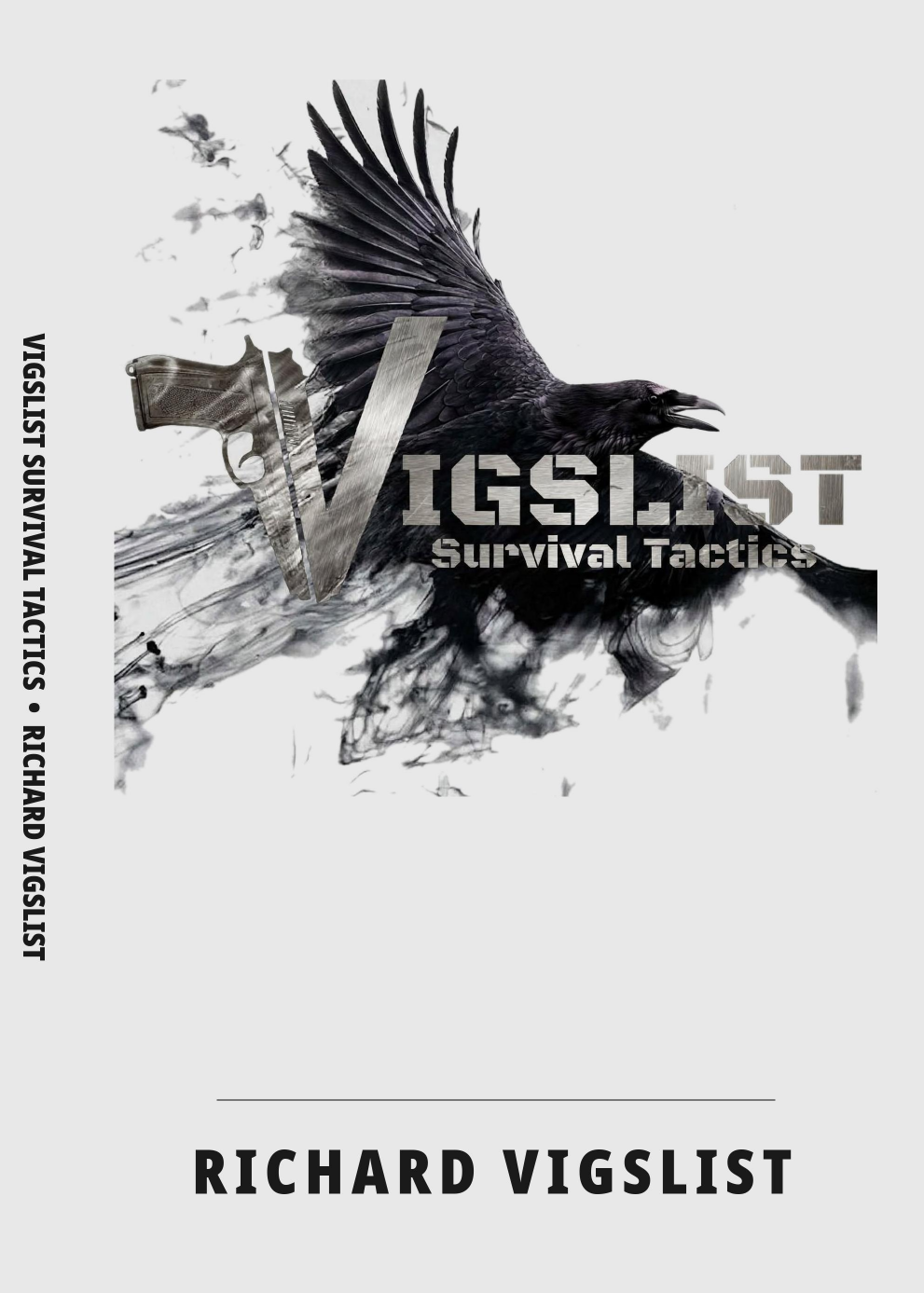
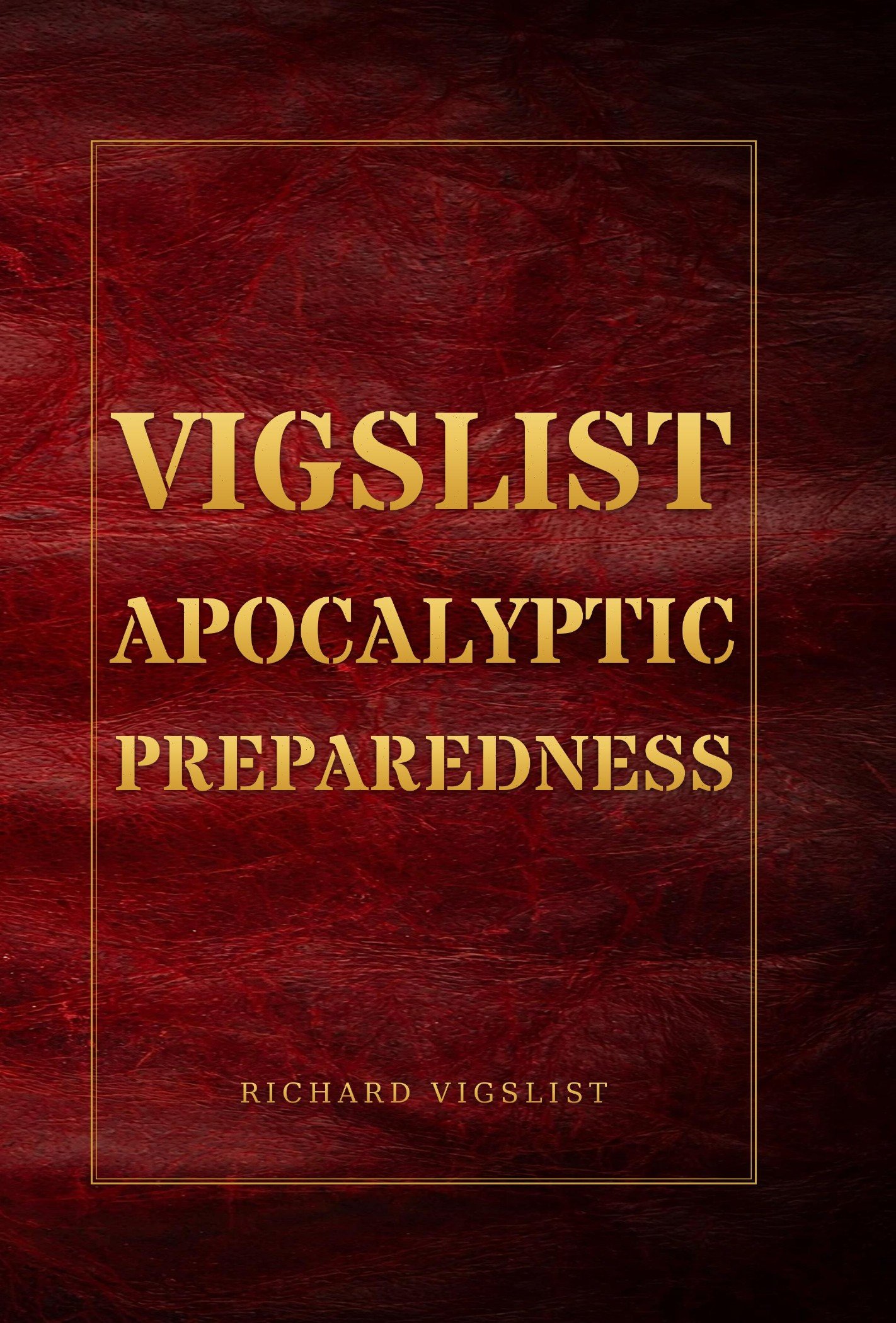
Four books. One doctrine. The program is built around them — written by the man who built it.

The complete VST system — combatives and survival in one volume. Striking, ground fighting, weapons, and fieldcraft. This is the book everything else points to.

When the emergency doesn't end in 72 hours. Food security, water systems, shelter, community, and the mindset for sustained self-reliance. The backbone of the Outdoors track.

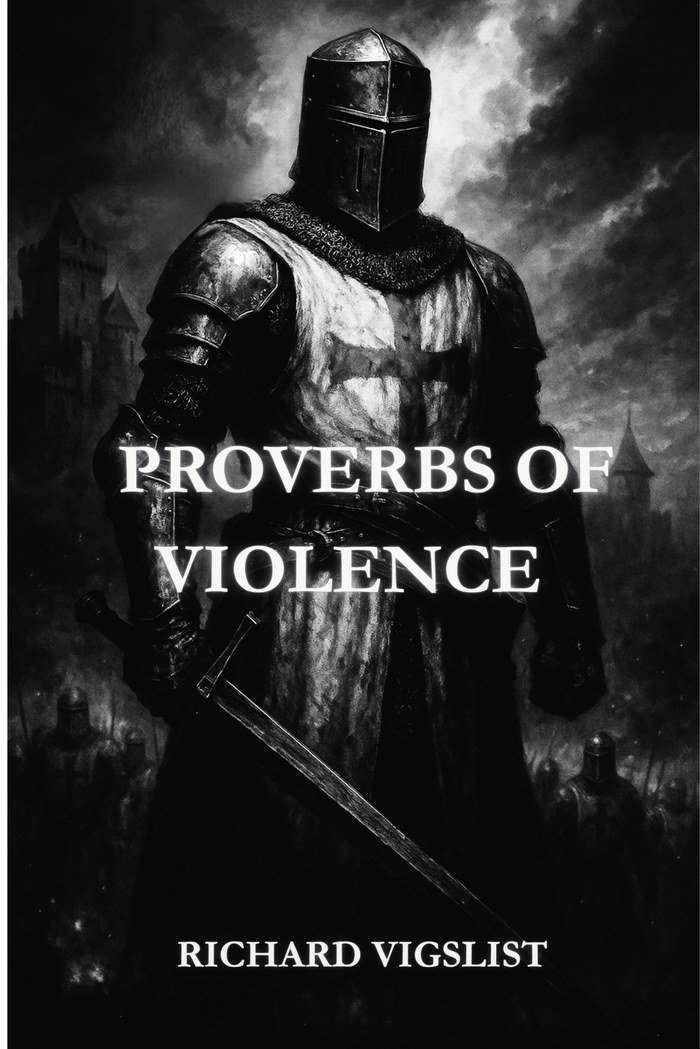
Fragments of wisdom, truth, and humor from a lifetime of discipline and reflection. Written in the timeless cadence of Old-World scripture — each verse blends the martial path with hard-earned insight.

Twelve lives. Twelve warriors. From ancient battlefields to forgotten empires — the stories of those who lived and died by the warrior's code, and what their lives teach us about courage, honor, and survival.
VST is open to the public — but nobody trains without being vetted. We teach serious knowledge here, and we make it our business to know who's learning it. There is no instant signup and no payment processing on this site. Every applicant speaks with Mr. Vigslist himself before anything moves forward.
Fill out the application below. Tell us who you are, your background, and why you want to train.
Mr. Vigslist speaks with every applicant personally — and it doesn't stop at vetting. Members get monthly check-ins: ask questions, get his guidance, stay on the right track.
If you're approved, he sets up your membership and password himself.
Fees are paid directly to Mr. Vigslist — $99/year membership, $49 per course, +$29 per certification.

"I'm not a man who preaches. I'm a man who has done."
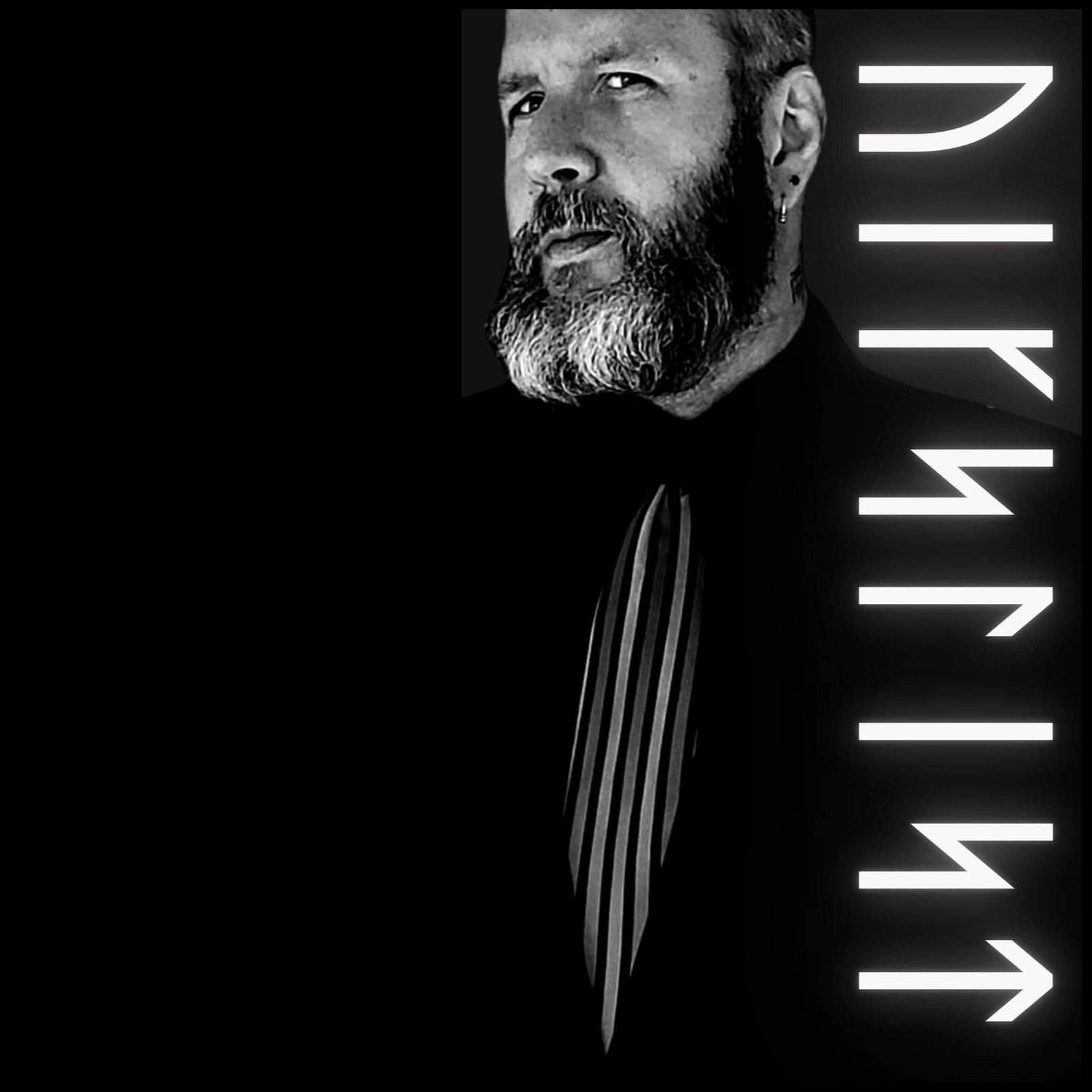
Richard Vigslist is the Master Chief Operator (MCO) of the entire VST training setup and the Master Instructor on deck. He brings every student up to par himself — his program, his standard, his direct review — with his instructors handling physical instruction under his direction, so they can go out and run their own teams the same way he has for decades. The rank is open: anybody can become a Master Instructor with enough time and credit hours.
He worked high-risk security from an early age until 2011 — a high-risk operator, often the man called in after people were shot and killed. He was the cleanup guy for the club industry, and he trained more than fifty business establishments across the United States. He's hosted seminars and taught military personnel and law enforcement.
The outdoors background runs just as deep: hunting and fishing since childhood, canoeing certifications earned young, and rivers run that most men wouldn't go near — sleeping on the banks with the alligators. Fourteen months living on a mountain, taking care of himself in extreme conditions. As recently as 2020, health conditions put him in a tent on the side of a mountain in the foothills for fourteen months — he rode out an extreme ice storm in that tent, comfortably.
He'll tell you straight: he was an adrenaline junkie. Whitewater rafting, water skiing, skydiving, bungee jumping — "I used to do all that crazy shit. There's a reason my body's wrecked." He laughs saying it. But at least you know the truth.
And here's what no course — and no AI — can give you: his raw experience. How to escape a choke when it's real. How to stay calm and keep moving forward when you're being shot at from every direction. He's lived those nights, bullets flying, and kept going. That experience is the true gravity behind this program — and it's why every student talks with him, not just watches videos.
He founded Special Protective Services International and taught this combatives system on military bases to military personnel, law enforcement, and security forces across the United States. VST is its continuance: the same instruction that was once operators-only, now open to the public. "I don't want to go to my grave with everything I learned" — so it's all going into this program.